Therapy
Online Therapy: A Practical Guide for First-Timers
NI Counselling Editorial Team
Online therapy has moved from a pandemic-era compromise to a mainstream, evidence-backed way of accessing mental health support. For people in Northern Ireland, it has particular relevance: it removes the barriers of distance and travel, sidesteps the stigma of being seen walking into a clinic, and makes it possible to access a well-matched therapist regardless of where you live. If you are considering online therapy for the first time and are not sure what to expect, this guide covers everything you need to know.
Does Online Therapy Actually Work?
This is usually the first question people ask, and the answer is well established: yes. A substantial and growing body of research confirms that online therapy produces outcomes comparable to in-person therapy for most common mental health conditions, including anxiety, depression, PTSD, and OCD. A large study following over 2,300 patients across Sweden's public mental health system over six years found that recovery rates were virtually identical whether therapy was delivered in person or remotely. Researchers found that the core factors that make therapy effective, building trust with a therapist, using evidence-based approaches, and maintaining regular contact, translate fully to the online format.
A 2020 meta-analysis published in the Journal of Anxiety Disorders found that online CBT was equally effective as in-person CBT for both depression and anxiety, with gains sustained over time. NHS England has confirmed that online therapy is as effective as face-to-face sessions for most mental health conditions. For people in Northern Ireland, where NHS waiting lists stretch well beyond a year in many trusts, this is not an abstract reassurance. It means that accessible, timely support is genuinely available without sacrificing quality of care.
What Online Therapy Involves
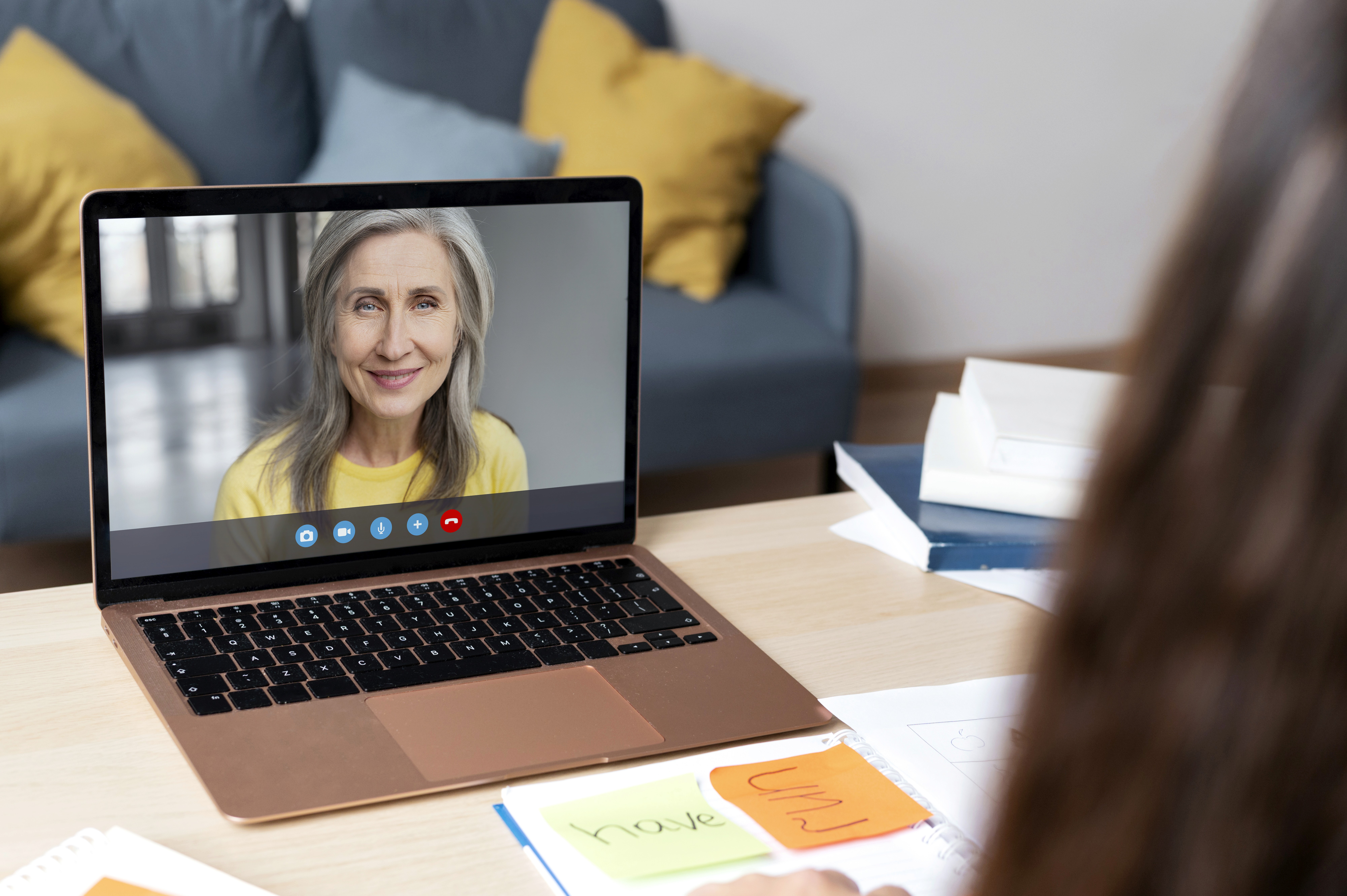
Online therapy with NI Counselling takes place via secure video call, on a platform designed specifically for clinical confidentiality. Sessions are the same length as in-person sessions, typically fifty minutes, and follow the same therapeutic structure. Your therapist will work with you in exactly the same way they would in a consulting room: building an understanding of your situation, agreeing goals, using evidence-based techniques, and adjusting their approach as the work develops.
Telephone therapy is also available for those who prefer not to use video, or who have limited internet connectivity. Some clients find phone sessions easier in the early stages of therapy, when the absence of visual contact can feel less pressured and more like a private conversation.
What You Will Need
Getting started with online therapy is straightforward. You will need a device with a camera and microphone, a stable internet connection, and a private space where you can speak without being overheard. That last point is worth thinking about in advance. The value of a therapy session depends on being able to speak freely, so it is worth identifying a room, a time, or an arrangement that gives you that privacy before your first appointment. Some clients use their car, others wait until the house is empty, others use headphones. There is no single right solution, and many people find a workable arrangement quickly once they think it through.
If privacy at home is genuinely difficult, it is worth mentioning this when you make your initial enquiry. Our advisors can discuss options with you, including whether in-person sessions at one of our Northern Ireland locations might be more suitable.
Common Concerns, Addressed Honestly
It will not feel the same as being in a room together. This is the concern most often raised, and it is a fair one. The in-person therapeutic relationship does have a particular quality, and some people find that face-to-face work feels more immediate or more contained. However, the majority of people who try online therapy are surprised by how quickly a genuine therapeutic connection develops through a screen. Research supports this: the quality of the therapeutic relationship has been shown to be as strong in online therapy as in person, particularly in video-based work.
It might feel strange at first. This is also fair, and entirely normal. Most people feel some awkwardness in the first session of therapy regardless of the format. Give it two or three sessions before forming a firm view. The strangeness tends to fade quickly as the work becomes the focus.
Technical problems do occasionally happen. A dropped connection or poor audio can interrupt the flow of a session. Good therapists are experienced at managing these moments. Having a backup plan, such as an agreed number to call if the video drops, is something your therapist will typically discuss at the outset.
Who Online Therapy Suits Particularly Well
Online therapy is a good fit for most people, but there are certain situations where it is particularly well suited. If you live in a rural area of Northern Ireland where in-person services require significant travel, online therapy removes that barrier entirely. If you have caring responsibilities, work long or irregular hours, or have a physical condition that makes travel difficult, the flexibility of online sessions is genuinely significant. If anxiety or social anxiety makes the prospect of travelling to a clinic feel daunting, being able to begin therapy from the safety of your own home can lower the threshold to getting started in a meaningful way.
For some people, the slight distance of a screen feels easier to begin with. They find it less exposing than sitting in a room with a stranger, which means they are able to open up more quickly. For those clients, this is not a limitation. It is one of online therapy's particular strengths.
When In-Person Therapy Might Be Better
Online therapy is not the right choice in every situation. Where there is a current or recent history of domestic abuse or coercive control, in-person sessions in a neutral, safe space may be more appropriate. For some presentations of complex trauma or severe mental illness, the additional containment of a face-to-face setting may be clinically preferable. Your therapist will always discuss the most appropriate format for your situation at the outset, and NI Counselling's advisors take this into account during the matching process.
How to Get Started with NI Counselling Online
Getting started is straightforward. Get in touch with NI Counselling through our website, and a member of our team will arrange a brief consultation call to understand your situation and what you are looking for. We will match you with a therapist whose approach, experience, and availability suit your needs, and you will receive details of how to join your session securely. Your therapist will walk you through the practicalities at the start of your first appointment.
There is no obligation beyond that first session. If online therapy does not feel right for you, we can discuss alternatives. But for the majority of people who try it, the format quickly fades into the background, and the work, and the relief of finally having space to talk, becomes what the session is about.
References
Andersson, G. et al. (2025). Online Therapy as Effective as In-Person Therapy, Finds Large Study. The Conversation. www.theconversation.com | Newcombe, R. et al. (2024). Comparison of Outcomes from a University Counselling Service Before and During COVID-19. Counselling and Psychotherapy Research. | British Association for Counselling and Psychotherapy (2019). BACP Good Practice in Action: Online and Phone Counselling. www.bacp.co.uk | NHS England. Talking Therapies. www.england.nhs.uk


—
latest posts
Economic Anxiety and Housing Insecurity: When Financial Stress Affects Your Mental Health
The Mental Health Funding Crisis in Northern Ireland: What the Waiting Lists Really Mean
Rural Isolation and Depression: A Northern Ireland Perspective
High-Functioning Depression: When You Look Fine But Feel Anything But
Why Anxiety Happens and How Therapy Helps: The Science Explained
How to Choose the Right Therapist for You