Depression
Rural Isolation and Depression: A Northern Ireland Perspective
NI Counselling Editorial Team
Northern Ireland is a small place, but within it there are vast differences in the experience of mental health and access to support. For those living in urban centres, help is relatively accessible. For those living in the countryside, the picture is considerably more complex. Rural isolation is a significant and underacknowledged contributor to depression in Northern Ireland, and the barriers to seeking help in rural communities are real, layered, and rarely talked about. This article explores why rural isolation and depression are so closely linked in Northern Ireland, what makes it hard to seek help, and what is available for those who are ready to reach out.
The Mental Health Landscape in Northern Ireland
Northern Ireland has higher rates of mental health difficulties than any other part of the UK. Research published by the Northern Ireland Audit Office found that approximately one in five adults showed signs of a probable mental health problem, and depression diagnoses increased by over 43% between 2015 and 2022. A study by Queen's University Belfast found that 17% of the Northern Ireland population is on antidepressants, with rates in the most deprived areas reaching almost 50% among women aged over 45. These figures reflect a region carrying a distinctive and complex psychological burden, shaped by the legacy of the Troubles, ongoing social and economic pressures, and longstanding underfunding of mental health services.
While much of the public conversation about mental health in Northern Ireland is centred on urban areas, a quieter crisis has been developing in the countryside. Rural communities across Antrim, Tyrone, Fermanagh, Armagh, and Down face particular challenges when it comes to depression, isolation, and access to support.
What Rural Isolation Actually Looks Like
Rural isolation in Northern Ireland is not simply a matter of geography. It is a combination of physical distance from services, a cultural landscape that values self-reliance and stoicism, a tightly networked community that can paradoxically make it harder to disclose vulnerability, and practical barriers such as limited public transport and the cost of travelling to appointments.
For many rural residents, particularly older people, those who live alone, those who have lost a partner or a farming livelihood, and those who are caring for a family member with a long-term condition, the experience of isolation can be profound and sustained. It is not the occasional loneliness that most people experience from time to time. It is a chronic state of feeling cut off from meaningful human connection, and research consistently shows that this kind of sustained social isolation is a significant risk factor for depression.
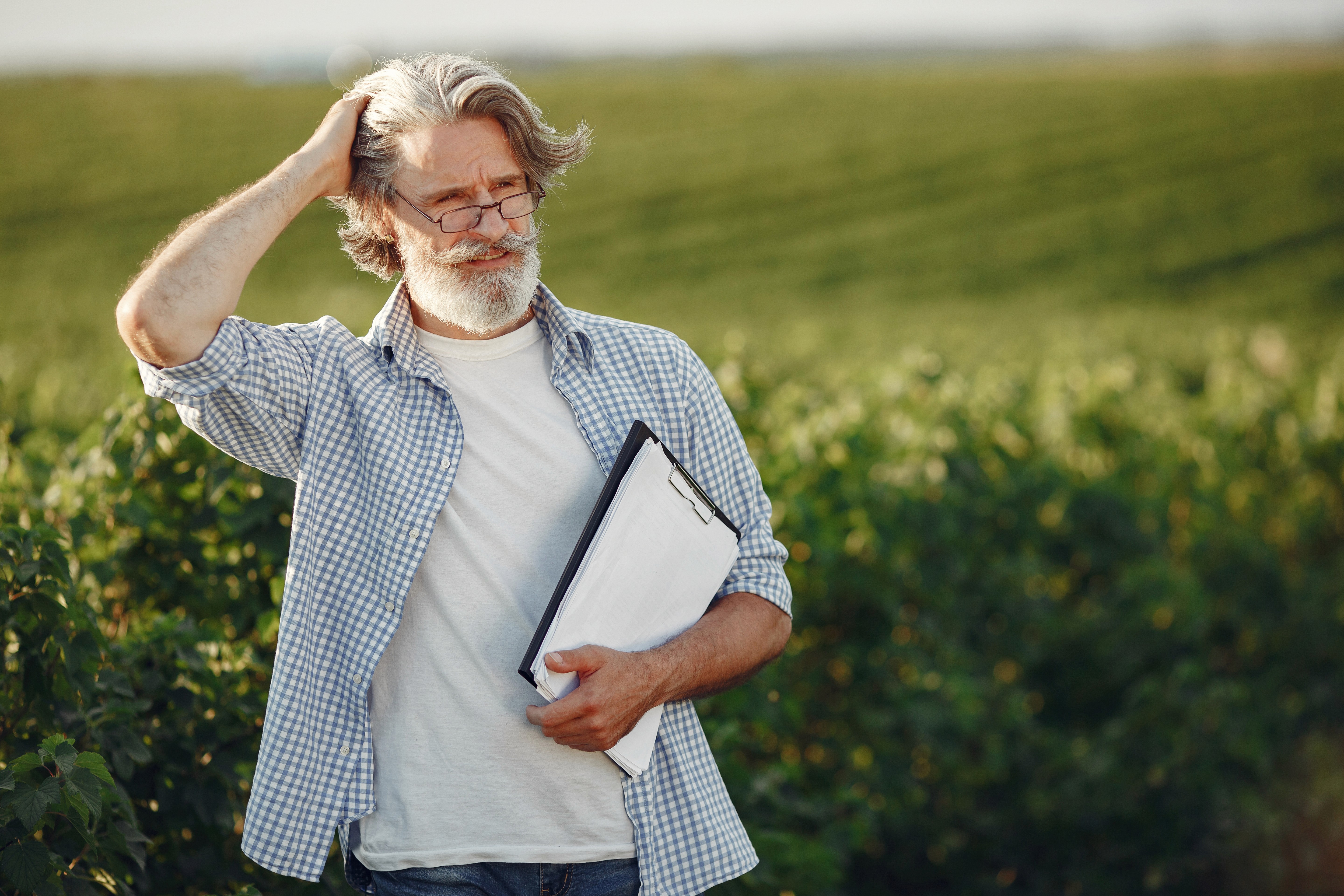
The Farming Community
Northern Ireland's farming community deserves particular mention. Farmers face a unique combination of stressors: financial pressure, unpredictable income, physical isolation, the weight of family legacy, and a working pattern that offers little separation between home and livelihood. Research across the UK and Ireland has consistently found that people working in agriculture have low rates of help-seeking for mental health difficulties, often because of stigma, a lack of awareness of what is available, and practical barriers to accessing services.
Organisations such as Rural Support NI, which runs a dedicated support line and programmes including Across the Hedgerow and Plough On specifically targeting rural isolation and loneliness among the farming community, are doing important work in this space. But the need significantly outstrips what voluntary organisations can provide alone.
Stigma and the Rural Community
One of the most significant barriers to help-seeking in rural Northern Ireland is stigma. In a tightly knit community, being seen attending a GP surgery or a counselling service can feel exposing in a way that it would not in an anonymous urban environment. There is a real fear of being known, judged, or seen as unable to cope. Research by the Women's Regional Consortium found that while strong community bonds can act as a protective factor for rural residents, they can equally function as a barrier to seeking professional support.
This stigma sits within a broader cultural context in which mental health difficulties have historically been associated with weakness, and where the expectation to simply get on with things has been passed down through generations. In many rural families, acknowledging depression openly, let alone seeking therapy, can feel like a significant departure from everything that has been modelled.
Access to Services: The Practical Barriers
Even when someone in a rural area is ready to seek support, the practical barriers can be substantial. NHS mental health waiting times in Northern Ireland are among the longest in the UK. Many rural communities have seen GP surgeries become larger and less personal, with out-of-hours services relocated to significant distances. For people without private transport, accessing in-person mental health support can require a level of logistical effort that in itself becomes a barrier.
The centralisation of services that has taken place in recent years has, in the words of the Women's Regional Consortium, transferred costs that the NHS has saved to patients. The time, cost, and energy required to travel to support is not a neutral matter, particularly for those who are already depleted by depression.
Why Online Therapy Is a Genuine Solution
One of the most meaningful developments in mental health provision in recent years has been the widespread normalisation of online therapy. For rural communities in Northern Ireland, this is not simply a convenience. It is a genuine equaliser. Online therapy removes the travel barrier entirely, allows people to attend sessions in the privacy of their own home rather than being seen coming and going from a local clinic, and makes it far easier to access a therapist whose approach and experience match the individual's needs, rather than being limited to whoever is geographically nearby.
The evidence base for online therapy is robust. Multiple studies have found it to be as effective as face-to-face therapy for conditions including depression and anxiety. For people in rural areas who might otherwise not seek support at all, the accessibility and anonymity of online therapy represents a significant reduction in the barriers to getting help.
Depression Is Not a Character Failing
For anyone reading this who lives in a rural area and recognises something of their own experience in what has been described, there is one thing above all that we want to say clearly: depression is not a sign of weakness. It is not the result of failing to be tough enough, grateful enough, or resilient enough. It is a recognised medical condition with identifiable causes and effective treatments. The circumstances that contribute to it in rural Northern Ireland, isolation, financial pressure, limited community connection, cultural stoicism, are structural and contextual, not personal failings.
Getting Support Through NI Counselling
At NI Counselling, we offer therapy online, by telephone, and in person at locations across Northern Ireland including Belfast, Antrim, Coleraine, Magherafelt, Carrickfergus, Newtownabbey, Banbridge, and Bangor. For clients in rural areas, online and telephone sessions mean that geography is no longer a barrier to accessing high-quality, professionally matched therapy.
We take the time to understand your situation before recommending a therapist, so you are matched with someone whose experience and approach suit your needs, not just whoever happens to be available. If you are struggling with depression, isolation, or simply the quiet weight of carrying too much for too long, please reach out. You do not have to manage this alone, and help is closer than you might think.
References
Northern Ireland Audit Office (2023). Mental Health Services in Northern Ireland. www.niauditoffice.gov.uk | Mental Health Foundation (2023). Mental Health in Northern Ireland: Fundamental Facts. www.mentalhealth.org.uk | Mulholland, C. (2019). The Psychiatrist's Manifesto. The Psychiatrist / PMC. | Women's Regional Consortium (2021). Rural Access to Health Services and the Impact of Social Isolation on Mental Health Issues. www.womensregionalconsortiumni.org.uk | Rural Support NI. Loneliness and Isolation. www.ruralsupport.org.uk | Extern NI (2022). Loneliness and Mental Health in Rural Communities. www.extern.org | NICE (2009). Depression in Adults: Recognition and Management (CG90).


—
latest posts
Online Therapy: A Practical Guide for First-Timers
Economic Anxiety and Housing Insecurity: When Financial Stress Affects Your Mental Health
The Mental Health Funding Crisis in Northern Ireland: What the Waiting Lists Really Mean
High-Functioning Depression: When You Look Fine But Feel Anything But
Why Anxiety Happens and How Therapy Helps: The Science Explained
How to Choose the Right Therapist for You